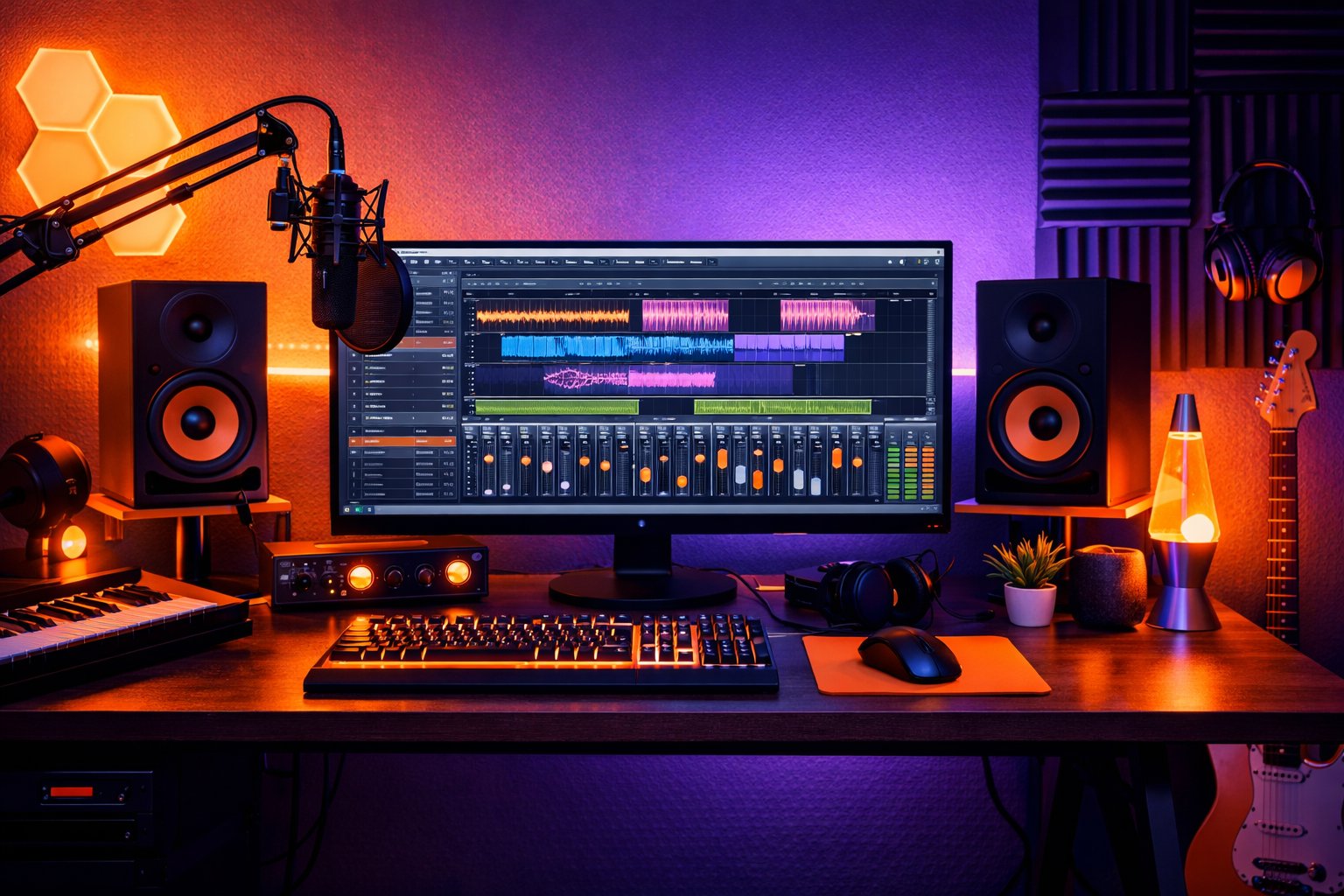
Introduction to AI Music Mixing
Artificial Intelligence has revolutionized music production, making professional mixing accessible to everyone. In this comprehensive guide, we'll explore how AI-powered mixing tools can transform your music production workflow.
What is AI Music Mixing?
AI music mixing uses machine learning algorithms trained on thousands of professional mixes to automatically balance, equalize, and enhance your audio tracks. These systems analyze frequency content, dynamics, and spatial positioning to create studio-quality results.
Key Benefits of AI Mixing:
- Speed and Efficiency: Mix songs in minutes instead of hours
- Professional Quality: Access to Grammy-winning mixing techniques
- Consistency: Reliable results across different genres
- Learning Tool: Understand professional mixing decisions
- Cost-Effective: No need for expensive studio time
How AI Mixing Works
Modern AI mixing systems use neural networks that have been trained on:
- Thousands of professional mixes across all genres
- Audio engineering principles and techniques
- Frequency analysis and spectral balancing
- Dynamic range optimization
- Spatial positioning and stereo imaging
The AI Mixing Process:
- Audio Analysis: AI analyzes each stem individually
- Genre Detection: Identifies musical style and appropriate techniques
- Frequency Balancing: Applies EQ to prevent frequency masking
- Dynamic Processing: Compression and limiting for optimal dynamics
- Spatial Enhancement: Stereo width and positioning
- Final Mastering: Loudness normalization to streaming standards
Professional AI Mixing Techniques
1. Stem Separation and Analysis
AI can automatically separate mixed audio into individual stems:
- Vocals
- Drums
- Bass
- Instruments
- Ambience
2. Intelligent EQ Application
AI applies frequency corrections based on:
- Genre-specific EQ curves
- Frequency conflict resolution
- Tonal balance optimization
- Harmonic enhancement
Learn more about professional EQ techniques in our detailed article about professional mixing techniques.
3. Dynamic Range Optimization
Advanced compression algorithms that:
- Preserve musical dynamics
- Control peak levels
- Enhance punch and presence
- Maintain natural sound character
4. Stereo Field Enhancement
AI creates immersive soundscapes through:
- Intelligent panning decisions
- Stereo width optimization
- Depth and dimension control
- Phase relationship management
Best Practices for AI Mixing
Pre-Mixing Preparation:
- High-Quality Source Material: Start with well-recorded stems
- Proper Gain Structure: Avoid clipping and distortion
- Clean Edits: Remove unwanted noise and artifacts
- Consistent Tempo: Ensure stable timing across all tracks
For optimal recording quality with your home studio setup, read our guide on using Focusrite interfaces in your home studio.
During AI Processing:
- Genre Selection: Choose appropriate style templates
- Reference Tracks: Use professional references for comparison
- A/B Testing: Compare AI results with original mix
- Fine-Tuning: Adjust AI parameters for desired sound
Post-Processing:
- Critical Listening: Check mix on multiple playback systems
- Loudness Standards: Ensure compliance with streaming platforms
- Final Quality Control: Listen for artifacts or issues
- Version Management: Save multiple mix versions
For detailed information about loudness standards, check our comprehensive LUFS normalization guide for streaming platforms.
AI Mixing Tools and Platforms
Professional AI Mixing Platforms:
- MixingMusic.ai: Complete AI mixing solution with 500 free credits
- LANDR: AI mastering and mixing services
- eMastered: Automated mastering with AI
- CloudBounce: AI-powered mixing and mastering
For a complete comparison of available tools, read our best online mixing tools 2026 review.
Key Features to Look For:
- Multi-genre support
- Customizable processing parameters
- High-quality audio processing (24-bit/96kHz)
- Fast processing times
- Professional loudness standards (-14 LUFS for streaming)
Advanced AI Mixing Strategies
1. Genre-Specific Optimization
Different musical genres require unique approaches:
Pop Music:
- Bright, polished sound
- Prominent vocals
- Punchy drums
- Wide stereo image
Rock Music:
- Aggressive, powerful dynamics
- Guitar-centric mix balance
- Driving rhythm section
- Raw, energetic character
Electronic Music:
- Precise frequency separation
- Deep, controlled bass
- Detailed high-frequency content
- Creative spatial effects
2. Vocal Processing Excellence
AI excels at vocal processing through:
- Automatic pitch correction
- Intelligent de-essing
- Optimal compression settings
- Reverb and delay optimization
- Frequency conflict resolution with instruments
3. Rhythm Section Balance
Perfect drum and bass relationships through:
- Kick/bass frequency separation
- Snare presence optimization
- Hi-hat clarity and sparkle
- Overall groove enhancement
Quality Control and Validation
Technical Checkpoints:
- Frequency Response: Smooth, balanced spectrum
- Dynamic Range: Appropriate DR values for genre
- Loudness Standards: -14 LUFS integrated for streaming
- Phase Coherence: Proper stereo correlation
- Distortion Analysis: THD+N measurements
Subjective Evaluation:
- Emotional Impact: Does the mix serve the song?
- Clarity: Can you hear all elements clearly?
- Balance: Are all instruments properly positioned?
- Energy: Does the mix have appropriate dynamics?
- Professional Sound: Does it compete with commercial releases?
Future of AI Music Mixing
The future holds exciting developments:
Emerging Technologies:
- Real-time AI mixing for live performances
- Adaptive mixing that responds to playback environment
- Collaborative AI that learns from user preferences
- Genre-expanding algorithms for fusion styles
- Immersive audio processing for 3D sound
Industry Impact:
- Democratization of professional mixing
- Faster production workflows
- New creative possibilities
- Educational applications
- Cost reduction for independent artists
Conclusion
AI music mixing represents a paradigm shift in audio production. By combining the speed and consistency of artificial intelligence with human creativity and artistic vision, we can achieve professional results that were previously only available to those with extensive technical knowledge and expensive equipment.
Whether you're an independent artist, producer, or audio engineer, incorporating AI mixing tools into your workflow can significantly enhance your music production capabilities. Start with platforms like MixingMusic.ai to experience the power of AI-assisted mixing today.
Getting Started with AI Mixing
Ready to transform your music production? Here's your action plan:
- Sign up for MixingMusic.ai and get 500 free credits
- Upload your stems or mixed tracks
- Select your preferred genre and style
- Let AI work its magic on your music
- Download your professionally mixed track
The future of music production is here, and it's powered by artificial intelligence. Join thousands of artists who are already using AI to create professional-quality mixes in minutes, not hours.